
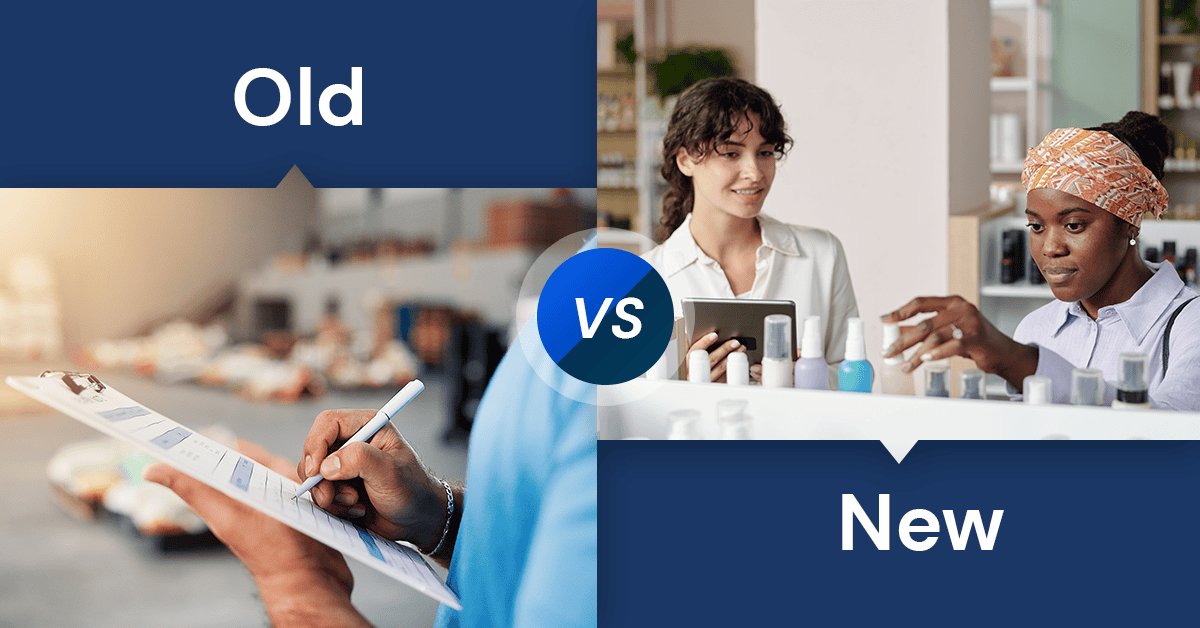
Mystery shopping is still one of the most searched terms in customer experience, even though most of what it was originally designed to measure has moved on. The phrase persists because the idea behind it, checking whether customers get what they were promised, never stopped mattering. What has changed is how that question gets answered, and it is worth being clear about what mystery shopping can still do well, and what it was never really built to do at all.
The businesses getting the most value today have not thrown mystery shopping out entirely. They have simply put it back in the box it was designed for, a compliance and standards check, and built something else for the much bigger job of understanding and growing customer experience.
Why the Term Still Gets Searched
Search volume for mystery shopping has not dropped anywhere near as fast as its use has. Part of that is simply familiarity. It is a term business owners and CX leaders grew up with, a shorthand everyone in a leadership meeting understands without needing it explained. Part of it is that the underlying question, whether we are actually delivering what we promise, is exactly as important now as it was thirty years ago.
The gap opens up in what people expect to find once they search for the term. Many are not looking for an actor with a checklist. They are looking for a way to know how their business is really performing through the eyes of the people who matter most, their customers. Understanding what mystery shopping was built for is the first step in seeing why that search so often leads somewhere else entirely.
What Mystery Shopping Was Built to Do
Mystery shopping emerged at a time when there was no practical way to hear from real customers at scale. A paid shopper, briefed on a script, would visit a store or call a contact centre and record what they observed against a checklist. Was the customer greeted within a set number of seconds? Was the correct process followed? Was a particular product mentioned? Was the till point tidy and the signage in place?
These are yes-or-no questions with a right answer that does not depend on how anyone feels. That is exactly the kind of question a trained observer, working from a script, can answer reliably. It was, and still is, a sound way to check whether a fixed standard is being met.
Where That Model Still Earns Its Place
Used for that purpose, mystery shopping still works, and there is nothing wrong with using it there. A visual merchandising audit checking whether a promotional display is positioned correctly, whether stock levels match the planogram, or whether a required disclosure was read out, is a compliance question. So is confirming that a specific process step happened at all.
These are fixed standards a business sets for itself, and a scripted visit is a perfectly sound way to confirm they are being met. None of it depends on hearing from a real customer, because the shopper is not there to report a feeling. They are there to confirm a fact. That is a very different job to understanding what actually drives a customer experience improvement program forward.
Where It Breaks Down When the Question Is the Customer’s Experience
The moment the question shifts from whether the team followed the standard to how the customer actually felt, and whether they will come back, the model runs out of road.
A single shop a month, carried out by someone who is not a real customer, is a thin sample to draw conclusions from. It cannot see a customer’s history: whether they have visited before, how satisfied they were last time, or how loyal they already are. The format itself limits what can be captured, mostly yes and no observations with a short comment field, which rarely gets to why something happened, only whether it happened.
There is also a behavioural problem. Team members who suspect they might be assessed at any moment start looking for the shopper rather than focusing on the customer in front of them. What gets measured is often a performance, not the experience most customers actually receive. A high mystery shopping score can create confidence that is not fully earned, because one well-handled visit says very little about the thousands of real interactions happening the rest of the month.
Perhaps the biggest gap is commercial. A mystery shopping score can move up or down without any real change to conversion, average transaction value, sales per hour, or repeat visits, because the score was never connected to those outcomes in the first place. PwC’s 2025 Customer Experience Survey found that 83% of executives admit they need better tools to measure what’s actually driving purchases, a gap a compliance score was never built to close. And in a world where the customer journey runs through a website, reviews, social commentary, and word of mouth long before anyone walks into a store, a single in-person visit only ever sees a small slice of the full picture.
This is not a view formed from the outside looking in. Members of our team spent years running mystery shopping programs at very large scale, completing several million shops across global markets, before building what came next. That experience is exactly why we can say plainly where mystery shopping still earns its place, and where it stopped being enough.
What Changed: Listening to the Customers Who Were Actually There
The alternative is not a cleverer version of the same idea. It is a different source of information altogether: feedback from customers who actually had the experience, captured close to when it happened, across every touchpoint, in their own words rather than a tick box.
That combination, real customer, real time, real words, is what makes the why visible alongside the what. Instead of one monthly visit from someone playing a role, feedback can be captured from a meaningful share of actual customers every day across the whole path to purchase: the website, the in-store visit, the follow-up after a sale, and whether they would recommend the business to someone else.
Reading that volume of open commentary is only useful if the themes and sentiment inside it can be surfaced quickly, which is where AI-assisted analysis earns its keep, not as the headline feature, but as the thing that makes several thousand customer comments as usable as a handful. From there, the findings can be connected directly to coaching, to team development, and to the commercial numbers that matter: conversion, average transaction value, sales per hour, and how often customers come back.
That connection changes how teams experience feedback, too. Rather than a pass-or-fail moment to be defensive about, specific and credible feedback from real customers gives a team something concrete to act on and improve, tied to outcomes they can see moving.

Building the Team, Not Just Testing Them
One of the quieter costs of the old model is what it does to team culture. When feedback arrives as an occasional test with a pass or fail outcome, the natural response is to treat it as something to survive rather than something to learn from. Team members swap notes on how to spot a shopper. Managers brace for the monthly result rather than building toward it. None of that builds capability, and none of it feels like growth.
Feedback drawn from real customers, arriving often enough to show a pattern rather than a single snapshot, changes that relationship. It stops being a test of one visit and starts being a mirror on everyday performance, which is a much more useful thing for a team to look into. The best programs connect what customers say directly to coaching conversations and skill development, so a specific piece of feedback becomes a specific, achievable next step for a specific person, not a score to defend.
The Real Difference Isn’t the Technology, It’s the Question
It is not that one approach is modern and the other old-fashioned for its own sake. They answer different questions. Mystery shopping answers whether a fixed standard was met. Customer feedback answers how the experience felt, and what to do next to grow. A business that asks a growth question and expects a compliance tool to answer it will usually end up disappointed, not because the tool failed, but because it was never built to answer that question in the first place.
One of our team once described the shift as similar to comparing a fax machine with the latest smartphone. Both can send a message. Only one was built for how people actually communicate today, and expecting the other to keep up was always going to end in frustration rather than fault.

A Simple Way to Decide Which Tool You Need
If the question is fixed, and does not depend on how any individual customer feels, whether a display is compliant, whether a required process was followed, whether pricing is correct, a scripted audit visit remains an entirely sound way to check it. If the question is about whether customers feel valued, whether they will return, or whether the team is building the kind of relationships that grow sales, that requires listening to the customers who actually lived the experience, at a scale and frequency a handful of scripted visits can never reach.
A service station checking whether a promotional stand for a new chocolate bar is positioned correctly at the counter is asking a compliance question, and a quick audit visit answers it well. The same service station wanting to know whether customers felt welcomed at the till, would recommend the store to a friend, or are likely to keep coming back instead of driving to the next fuel stop, is asking a completely different question, and no script can answer it on their behalf. Both questions matter. They just need different tools.
A Practical Perspective
Mystery shopping is not a mistake businesses made and now need to walk back from. It did a job well for a long time, and in the narrow compliance role it was built for, it can still do that job today. The businesses getting this right are not abandoning the idea of checking standards. They are simply no longer asking it to do the one job it was never built for: understanding how real customers feel, and turning that understanding into growth.
The right measurement approach is rarely about choosing sides between old and new. It is about matching the tool to the question, and being honest about which question actually drives the business forward.
Worth a Conversation?
Not sure whether what you’re currently measuring is a compliance check or a genuine picture of customer experience? Worth a conversation. We’ll listen first, and help you understand what’s worth keeping, what’s worth changing, and how to build an approach that actually drives growth.
feedbackasap.com
Most CX programs measure. We improve.
Frequently Asked Questions
Is mystery shopping still relevant for customer experience?
It is still relevant for checking fixed standards, such as compliance, process adherence, or display accuracy. It was never designed to measure how a customer felt or whether they will return, which is a different question entirely.
What is the main difference between mystery shopping and customer feedback?
Mystery shopping uses a scripted visit from someone who is not a real customer to check whether a standard was met. Customer feedback is gathered directly from real customers, in real time, in their own words, and reflects the actual experience rather than a single scripted snapshot.
Why does “mystery shopping” still get searched so often?
The term is familiar shorthand many business leaders grew up with, and the underlying question it was built to answer, are we delivering what we promise, still matters. Many people searching the term are actually looking for a broader read on customer experience than mystery shopping was ever built to provide.
Can mystery shopping and customer feedback be used together?
Yes. Compliance and standards checks (mystery shopping) and real customer feedback (Feedback ASAP’s approach) answer different questions, so many businesses use a scripted audit for fixed standards alongside ongoing feedback for the growth question.
How does Feedback ASAP replace the mystery shopping model?
Feedback ASAP gathers feedback from real customers, close to the moment of the experience, across every touchpoint, then connects the findings directly to frontline coaching and commercial outcomes such as conversion and repeat visits.