
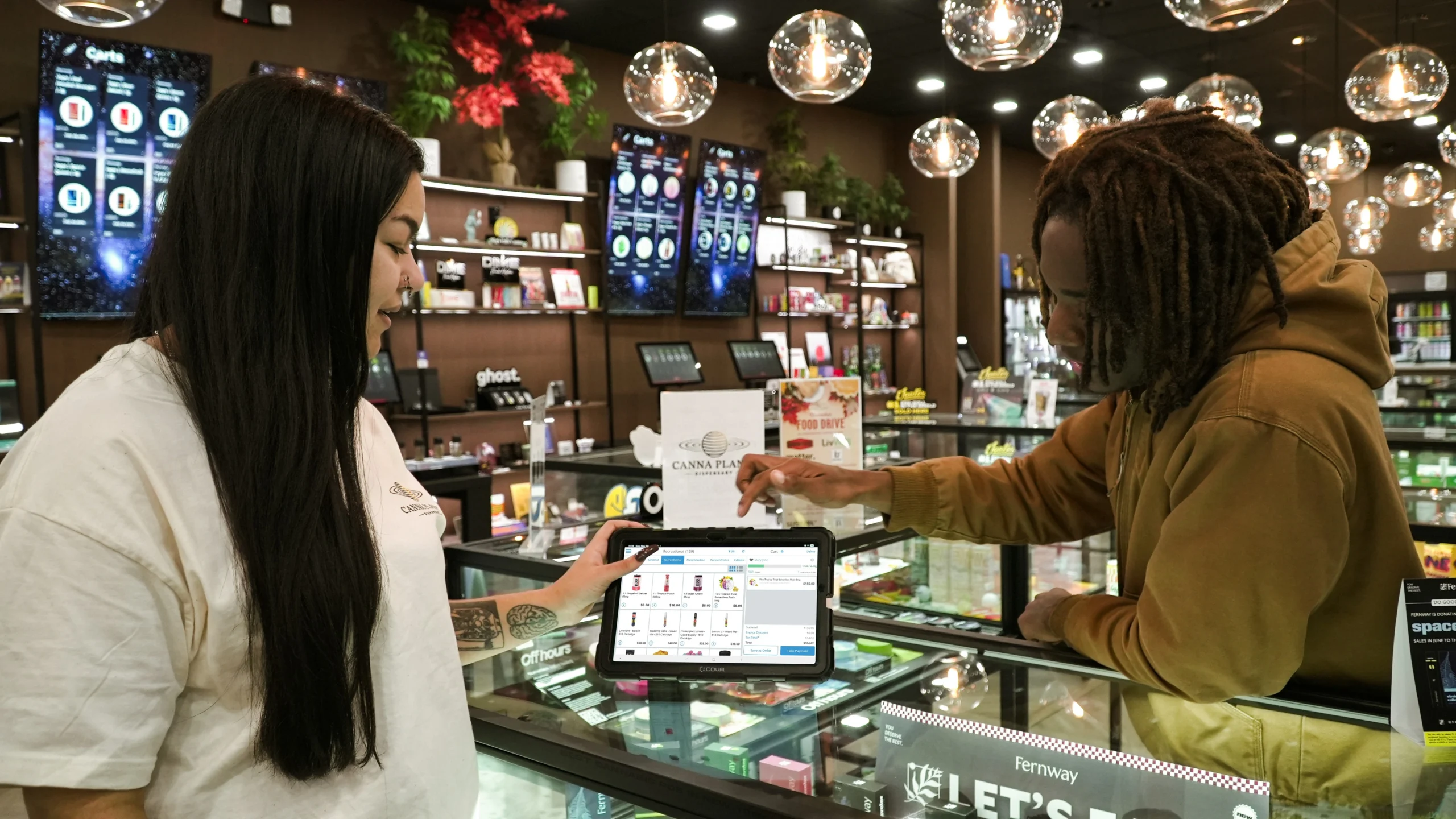
Retail customer experience has evolved significantly over the past decade. Omnichannel expectations, digital-first behaviours, and increasingly informed shoppers have raised the bar for what a good in-store or service experience looks like. Yet many retail organisations are still approaching CX the same way they did in 2015.
The most common mistake is treating customer experience as a front-of-house responsibility rather than an organisation-wide one. Store managers focus on presentation and wait times. Customer service teams handle complaints. Marketing manages the brand. But none of these functions are consistently talking to each other using the same customer data.

The second mistake is measuring satisfaction without connecting it to commercial outcomes. A retailer might know that their CSAT score is 4.2 out of 5 — but do they know which store locations are underperforming, which product categories generate the most complaints, or which team behaviours correlate with higher basket size? Satisfaction data without commercial context is interesting but not useful.
The third and most costly mistake is treating customer feedback as retrospective information. By the time a survey response arrives, processed, and reported, the customer who left it has already made their next purchase decision — possibly with a competitor.
Retail organisations that are winning on CX have closed this loop. They use real-time feedback to coach frontline teams daily, connect satisfaction data to store-level commercial performance, and treat customer voice as a live operational input rather than a quarterly report.